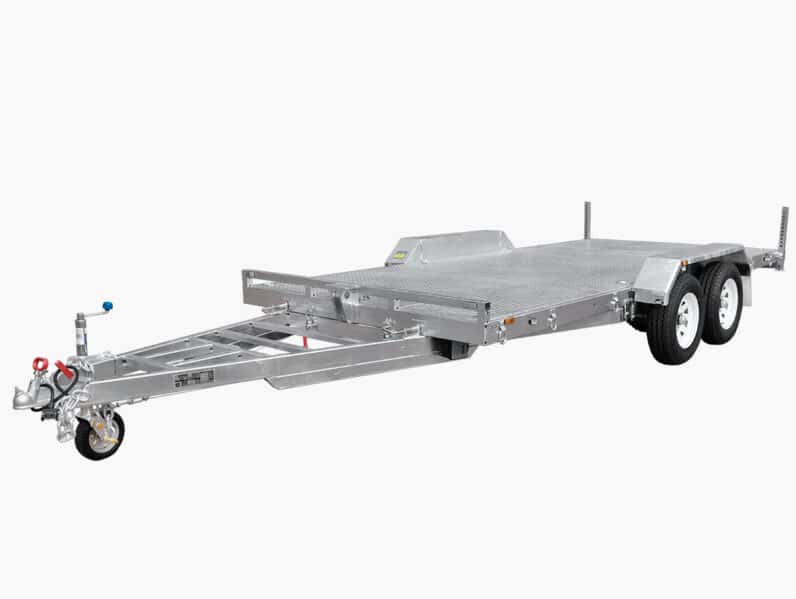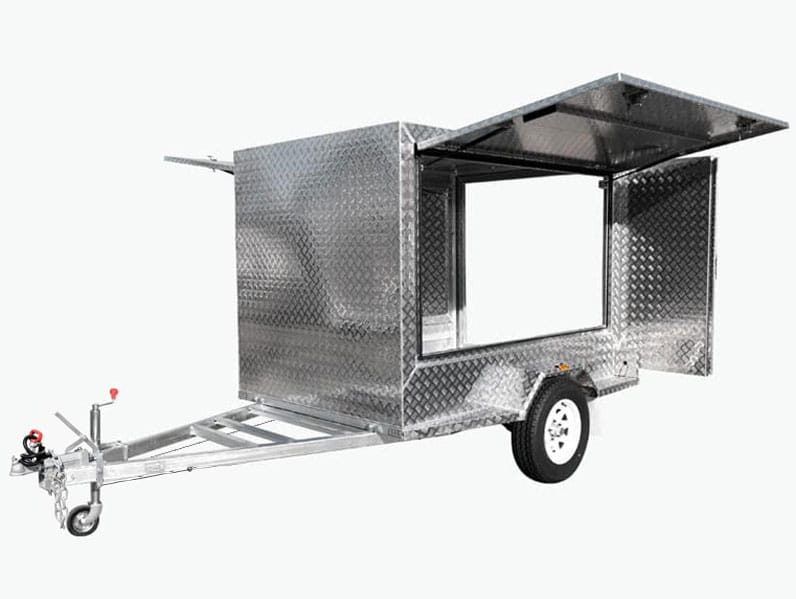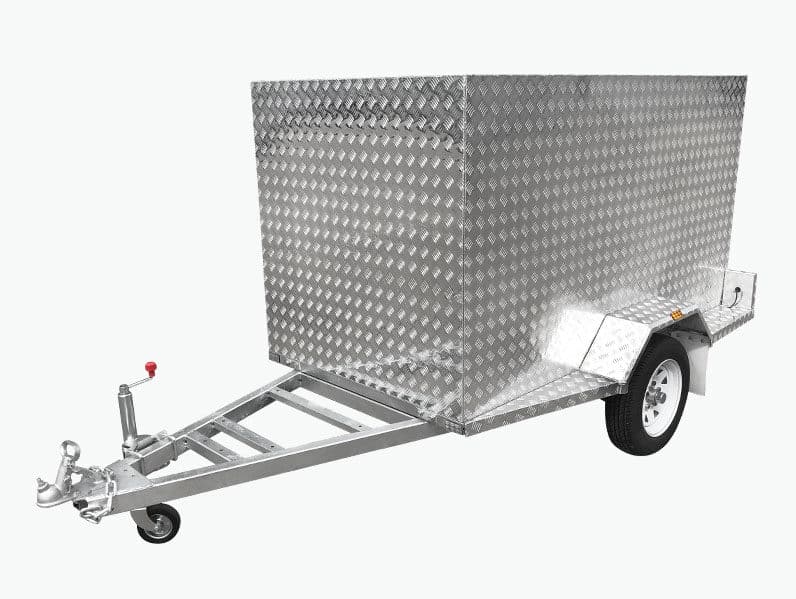





































































Trailers and caravans require maintenance to ensure that they are in good working condition and can be safely used for towing. Regular maintenance can help prevent breakdowns and extend the life of the trailer or caravan. Here are some common maintenance tasks that should be performed on a regular basis:
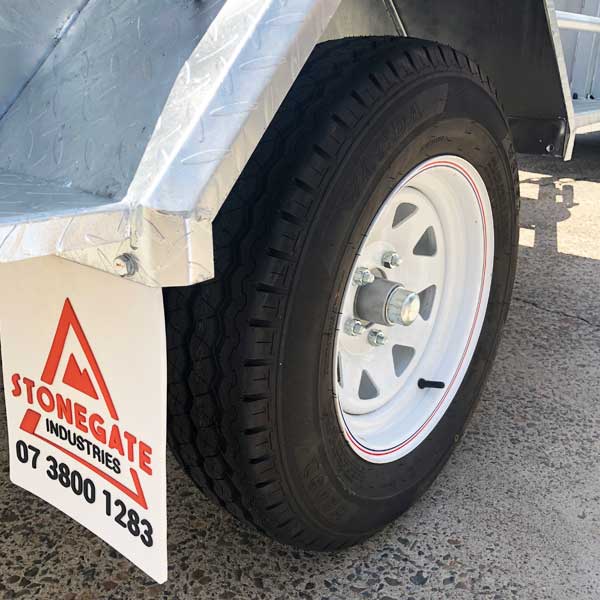
1. Tire maintenance: Check the tires for proper inflation, wear, and damage. Replace the tires if necessary.
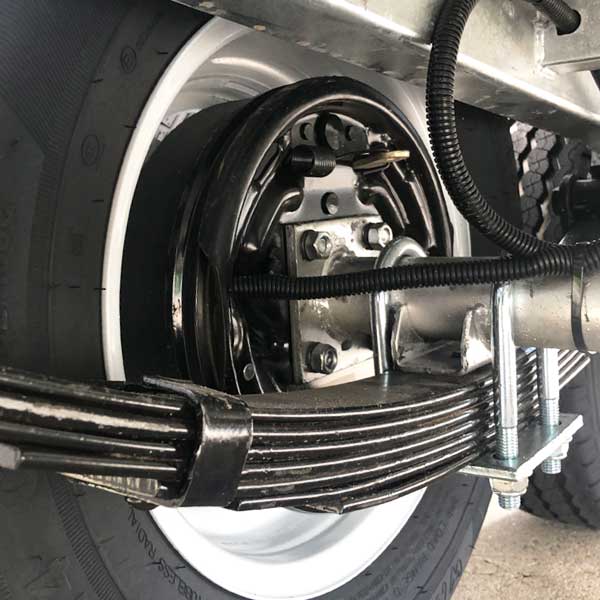
2. Brake maintenance: Check the brakes for proper operation and make any necessary repairs or adjustments.
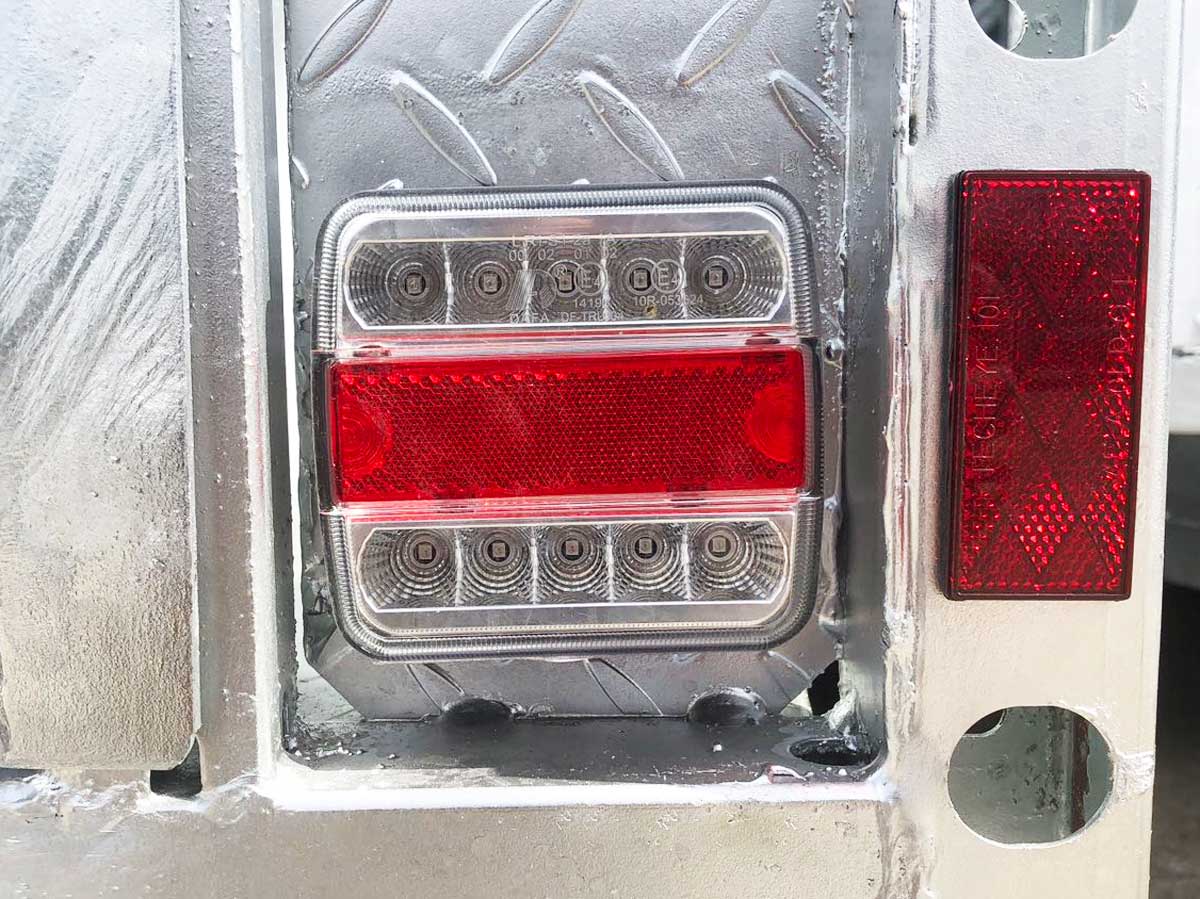
3. Lighting maintenance: Check the lights to make sure they are functioning properly and replace any burned-out bulbs.
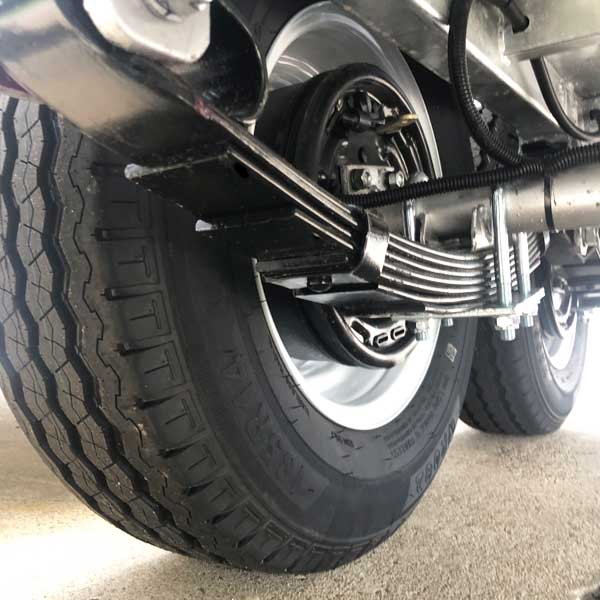
4. Suspension maintenance: Check the suspension for any signs of wear or damage and make any necessary repairs.
5. Hitch maintenance: Check the hitch for any signs of wear or damage and make any necessary repairs.
6. Lubrication: Lubricate the moving parts of the trailer or caravan, such as the wheels, axles, and hitch, to prevent rust and wear.
7. Cleaning: Clean the exterior of the trailer or caravan regularly to prevent rust and other forms of damage.
It’s important to follow the recommended maintenance schedule for your trailer or caravan, as specified by the manufacturer, to ensure that it is in good working condition and can be safely used for towing.
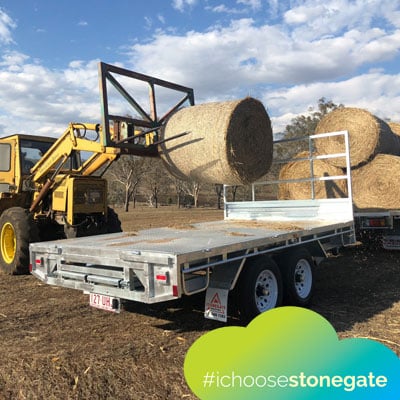
Here are some steps to check if your trailer or caravan is overloaded:
1. Check the maximum weight limit: Check the maximum weight limit of your trailer or caravan, as specified by the manufacturer. This information can be found in the owner’s manual or on the label on the trailer.
2. Weigh the trailer: You can weigh the trailer by using a public weigh station, or you can use portable weigh scales specifically designed for trailers.
3. Determine the weight of the load: Make sure to include the weight of any items you are transporting, such as furniture or equipment, as well as any supplies or personal items you are carrying.
4. Calculate the aggregate trailer mass (ATM): The ATM is the sum of the trailer’s tare weight, which is the weight of the trailer when it is empty, and the weight of the load it is carrying.
5. Compare the ATM to the maximum weight limit: If the ATM exceeds the maximum weight limit of the trailer or caravan, it is considered to be overloaded.
6. Adjust the load: If your trailer or caravan is overloaded, you should adjust the load by removing some items or redistributing the weight to ensure that the ATM is within the maximum weight limit.
It’s important to ensure that your trailer or caravan is not overloaded, as this can result in unsafe towing conditions and potential damage to the vehicle or trailer. Regularly checking the ATM and ensuring that the weight is within the recommended limits can help ensure a safe and successful towing experience.
Whether you need a box trailer depends on your specific needs and requirements. Here are a few factors to consider:
1. What will you be transporting: If you need to transport items that need to be protected from the elements, such as furniture, appliances, or sensitive equipment, a box trailer might be a good option.
2. Do you need extra storage: If you need additional storage space, a box trailer can provide a secure and convenient place to store items.
3. Are you looking for a mobile workspace: If you need a mobile workspace, such as a portable office or workshop, a box trailer can be equipped with shelves, workbenches, and electrical outlets to meet your needs.
4. Do you need to tow a lot of weight: Box trailers are typically stronger and more durable than open trailers, and can safely transport heavier loads.
5. Do you need a trailer for events: If you are involved in events, such as concerts, festivals, or sporting events, a box trailer can be used as support vehicle or mobile office.
Consider your specific needs and requirements, and then weigh the advantages and disadvantages of a box trailer to determine whether it is the right choice for you.
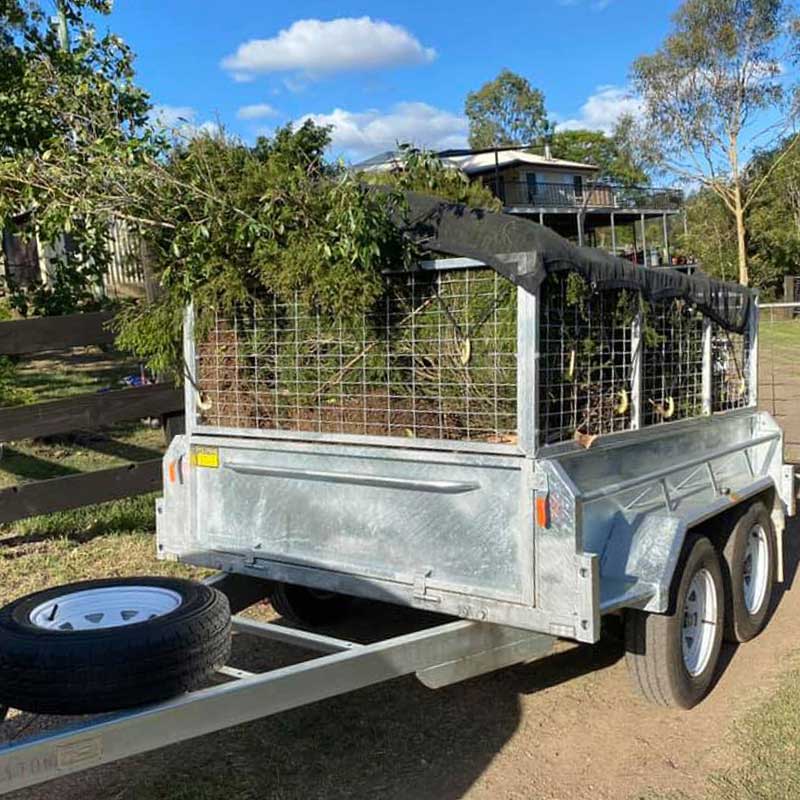
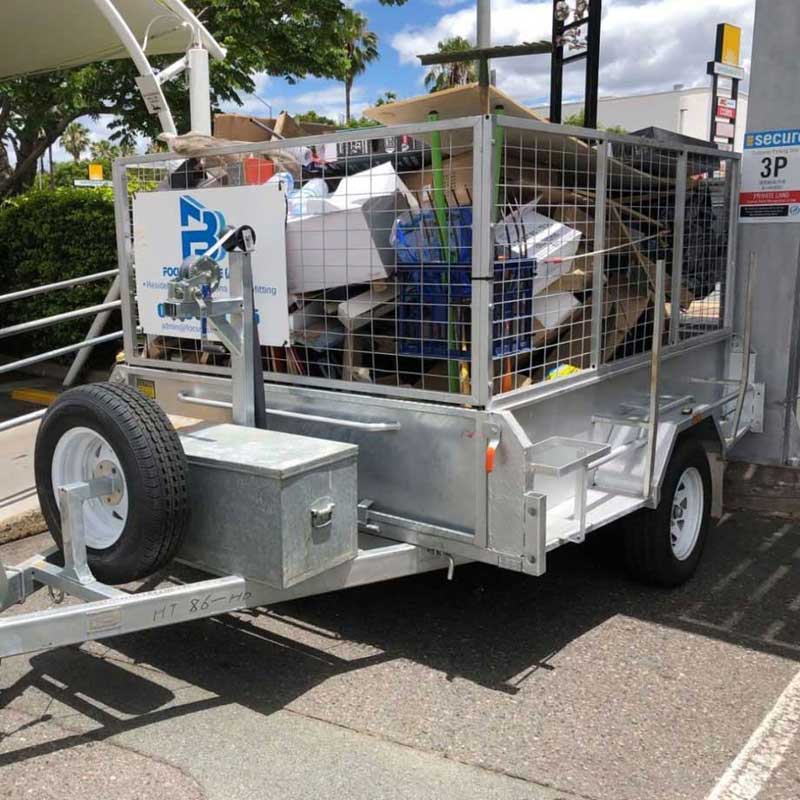
What is ATM (Aggregate Trailer Mass)? What should you know about trailer ATM before you purchase a trailer?
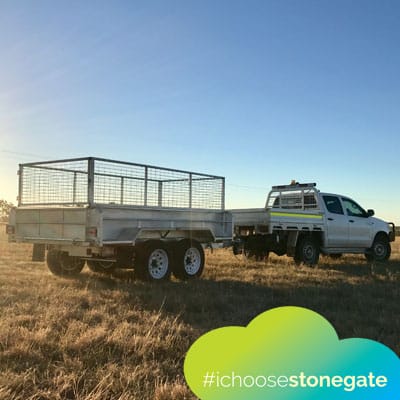
The Aggregate Trailer Mass (ATM) is a measure of the total weight of a trailer and its load. It is the sum of the trailer’s tare weight, which is the weight of the trailer when it is empty, and the weight of the load that it is carrying.
ATM is an important factor in determining the weight capacity of a trailer and ensuring that the towing vehicle is capable of safely towing the load. The ATM should not exceed the maximum towing capacity of the vehicle or the maximum weight that the trailer is designed to carry, as exceeding these limits can result in unsafe towing conditions and potential damage to the vehicle or trailer.